Parenting Tips

Parenting Tips

How AI Is Changing Cyberbullying This School Year (and What Parents Can Do)

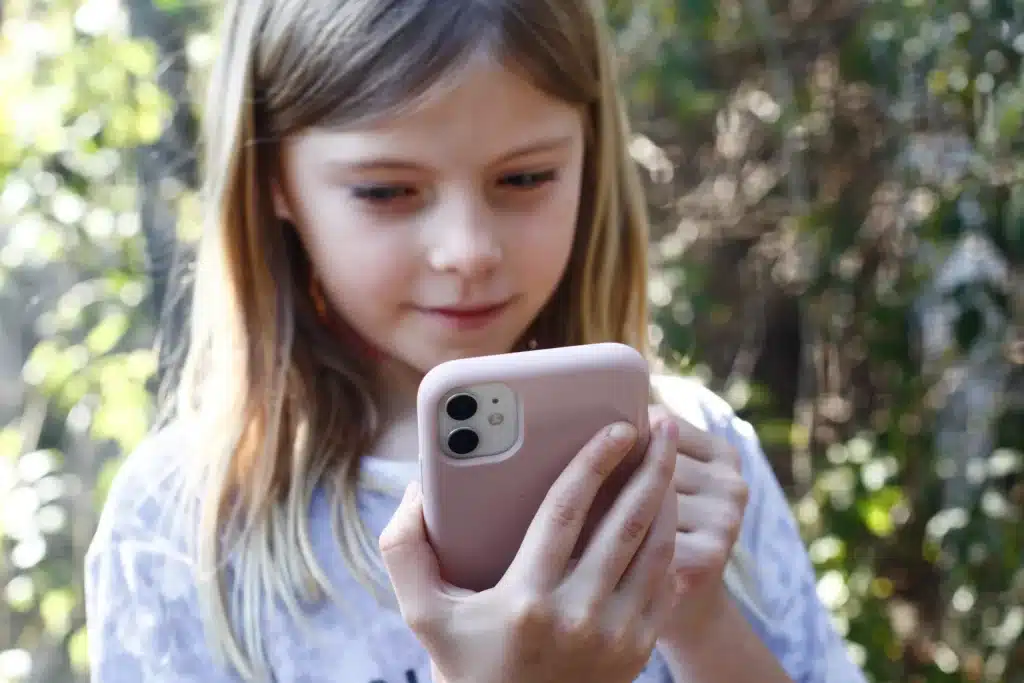
One in ten teens now knows someone who has been targeted by a deepfake, an AI-generated image or video built to look real. That number didn’t exist five years ago, and it’s landing right as kids head back into hallways, group chats, and the apps where this kind of bullying spreads fastest. Cyberbullying used to […]

How AI Is Changing Cyberbullying This School Year (and What Parents Can Do) Read More »

Consequences for Disrespect That Actually Change Behavior

Match the consequence to the behavior itself. Taking away a phone for talking back teaches nothing; losing phone privileges after a lie about screen time teaches everything. Address what’s underneath the disrespect first. Most back talk comes from a child who feels unheard, not one who woke up wanting to be rude. Stay calm and

Consequences for Disrespect That Actually Change Behavior Read More »

High School Students Writing On Paper At Desk

Most Parents Say Their Kid’s School Needs a Deep Clean, New Survey Finds

Nearly six in ten parents say their child’s school only rates a B or C for cleanliness, and bathrooms are the single biggest complaint on the list. That’s the headline finding from a new national survey released as families settle back into the school routine, and it lands at a moment when parents are already

Most Parents Say Their Kid’s School Needs a Deep Clean, New Survey Finds Read More »

Why Does My 4 Year Old Not Listen? Exploring Reasons and Solutions

When Your Husband and Son Argue All the Time: What Actually Helps

Constant arguing between a husband and son is usually about control and approval on the father’s side and about autonomy and being taken seriously on the son’s side, not about the surface topic they’re fighting over. The single most useful shift is separating the person from the problem: naming what’s actually being asked for, instead

When Your Husband and Son Argue All the Time: What Actually Helps Read More »

What Not to Do During a Child Tantrum

Why Your Child Won’t Stop Making Noise (and What It Means)

Constant noise-making, humming, or made-up sounds are almost always a normal way kids regulate their nervous system, especially when they’re excited, bored, or trying to focus. The sounds usually shift with a child’s mood and setting rather than staying fixed, which is one clue they aren’t a tic or compulsion. Talk to your pediatrician if

Why Your Child Won’t Stop Making Noise (and What It Means) Read More »

Independent Preschool Activities That Actually Build Confidence

Independence in preschoolers grows through daily routines they can do themselves, like washing hands, choosing between two outfits, and putting toys away, not through big one-time lessons. Independent preschool activities work best when the task is broken into small steps and you step back long enough for your child to work through the frustrating middle

Independent Preschool Activities That Actually Build Confidence Read More »

Autism and Constant Talking: What It Means (and How to Help)

If your child talks from the moment they wake up until the moment they fall asleep, and you’ve started wondering whether autism and constant talking are connected, you’re not alone in asking. Constant talking on its own is not a sign of autism. It becomes a signal worth watching when it’s paired with trouble reading

Autism and Constant Talking: What It Means (and How to Help) Read More »

What Kids Notice When a Parent Takes a GLP-1 (and How to Talk About It)

Caitlin, a mother in Los Angeles, did not set out to get smaller. She started a GLP-1 medication for an autoimmune condition and immediately worried about a different problem: what her daughter would learn from watching her body change. “I don’t want to accidentally teach my daughter that being smaller equals being better or more

What Kids Notice When a Parent Takes a GLP-1 (and How to Talk About It) Read More »

Why Do Toddlers Flap Their Arms? What’s Normal and When to Ask a Pediatrician

• Arm flapping is a normal way young children release excitement, energy, or big feelings, and most kids drop the habit on their own by age three. • Watch the context, not just the movement: flapping tied to joy, surprise, or frustration is typical; flapping paired with no eye contact, no response to their name,

Why Do Toddlers Flap Their Arms? What’s Normal and When to Ask a Pediatrician Read More »

Nearly 9,000 Dressers Recalled for Failing a Law Written After Children Died

Nearly 9,000 dressers are being pulled from homes across the country. They fail a federal stability standard that Congress wrote specifically after children were crushed to death by falling furniture. The recalled units were marketed as television stand dressers, sold on Amazon for about $54, and stocked with LED lights and built-in power outlets that

Nearly 9,000 Dressers Recalled for Failing a Law Written After Children Died Read More »

Parents Nationwide Are Pushing Back Against School-Issued Devices

A growing number of parents are trying to get their kids off school-issued laptops and tablets entirely, and asking for printed textbooks and handwritten assignments instead. What started as scattered requests from individual families has turned into an organized, multi-state push, with at least 16 states now considering or enacting legislation on classroom screen time

Parents Nationwide Are Pushing Back Against School-Issued Devices Read More »

New Study Finds Early Giftedness Rarely Lasts Into Adulthood

If your four-year-old aced a vocabulary test or your seven-year-old landed in the gifted program, a new study has some deflating news: the odds that intellectual edge lasts into adulthood are lower than most parents assume. Researchers tracking more than 11,000 children for fourteen years found that only 16 percent of kids who tested in

New Study Finds Early Giftedness Rarely Lasts Into Adulthood Read More »