
Table of Contents
The holiday weekend came with a side of recall notices this year. On July 2, the Consumer Product Safety Commission announced a wave of recalls aimed squarely at the baby aisle: loungers and swings that violate federal safe sleep standards, nursing pillows that can block an infant’s breathing, and tens of thousands of light-up toys and lithium coin batteries that put button cells within reach of small hands. Nearly all of the products were sold on Amazon and other online marketplaces. If you bought baby gear online in the past two years, this roundup is worth ten minutes of your weekend, and one item in your nursery might need to come out tonight.
What Was Recalled on July 2
Vevor baby loungers. Sanven Technology, doing business as Vevor, recalled about 237 baby loungers sold on Vevor.com, Amazon, and Wayfair from November 2024 through January 2026 for about 30 dollars. The CPSC found the sides too low to contain an infant, the openings at the foot wider than the infant sleep product standard allows, and no stand, a combination that poses fall and entrapment hazards that can kill. The remedy is blunt: cut the cover, foam, and pad in half, email photos of the destroyed pieces to Vevor, and receive a full refund. No injuries have been reported.
Vevor baby swings. The same company recalled its baby swings for a seat incline steeper than 10 degrees, a violation of the federal ban on inclined sleepers. An infant who falls asleep at that angle can slump chin-to-chest and suffocate.
CooCooBaby baby loungers. A separate lounger recall for the same category of violations: short sides, an oversized foot opening, a sleeping pad too thick for the standard, and no stand.
AMASKY nursing pillows. About 4,008 pillows, sold on Amazon by Pretty-Life and marketed for infant feeding and tummy time, violate the mandatory standards for nursing pillows and infant support cushions. The shape can block a baby’s airway, a suffocation risk the standard exists to prevent.
Button battery products. Two recalls target the most feared object in pediatric emergency rooms. Junpower CR2032 lithium coin batteries were recalled over an ingestion hazard, and about 62,490 POPOOO Jungle Safari LED finger lights sold on Amazon were recalled after regulators found children could open the battery compartments and reach the cells inside.
Toys and sleepwear. BABESIDE doll and stroller toy sets were recalled for small parts and detachable eyes that pose choking hazards. Bellabu Bear children’s robes failed the federal flammability standard for sleepwear. Target pulled its Gigglescape Under the Sea popping toy over a choking hazard.
Every CPSC recall notice lists a recall number, the remedy, the sale dates, and a photo of the product. Match yours by the sewn-in label or the tag, not the listing name, which marketplace sellers change constantly. Refunds in this batch mostly follow the destroy-and-photograph model: you cut the product apart, send the photos, and the money comes back without a return shipment. It feels wasteful the first time. It also keeps a hazardous lounger from being fished out of a donation bin and put back under a sleeping baby.
Why Regulators Treat These Products So Seriously
Two threads run through this list, and both have body counts behind them.
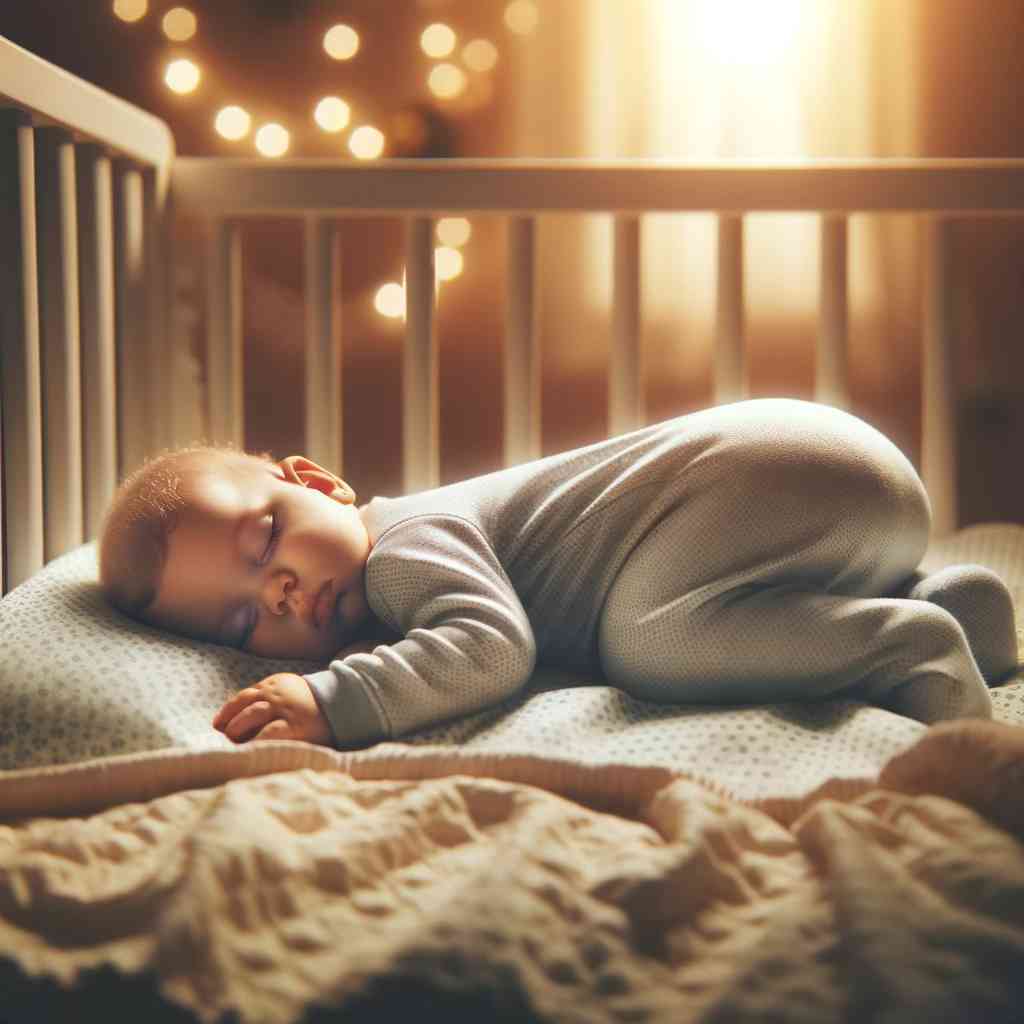
The first is infant sleep position. The American Academy of Pediatrics has repeated the same guidance for years: babies sleep safest alone, on their backs, on a flat, firm surface, in a bare crib or bassinet, with no pillows, bumpers, or padded loungers. Padded loungers earned their reputation the hard way. The Boppy Newborn Lounger recall of 2021 followed infant deaths, and the federal infant sleep product standard now bans exactly the design features found in this week’s recalled loungers. A product can look cozy, photograph beautifully, and still be an airway hazard the moment a tired parent lets a baby doze in it. The mechanism is positional asphyxia: a young infant lacks the neck strength to lift or turn a head that sinks into soft padding, and a chin that slumps to the chest can close the airway with no struggle and no noise. That is why the standard regulates side heights, pad thickness, and incline angles down to the degree, and why pediatricians keep repeating that a bare, flat surface beats every plush alternative on the market.
The second thread is button batteries. A swallowed lithium coin cell lodges in the esophagus and starts burning through tissue within two hours. Congress passed Reese’s Law in 2022, named for Reese Hamsmith, a Texas toddler who died after swallowing a remote control battery, and the law now requires secure, tool-opening battery compartments on consumer products. The recalled finger lights failed that requirement. The National Capital Poison Center advises parents who suspect an ingestion to head straight to the emergency room, give honey on the way if the child is over 12 months old, and call the battery ingestion hotline at 800-498-8666.
What Parents Should Do Now
- Check your gear against the CPSC list at cpsc.gov/Recalls, and search by brand if you are unsure. Marketplace purchases often arrive with no recognizable brand name, so check your Amazon order history too.
- Stop using any recalled item immediately, and follow the listed remedy. Most of this batch offer full refunds after you photograph or destroy the product.
- Never donate, resell, or hand down a recalled product. Selling a recalled item is illegal, even secondhand.
- Take any padded lounger, pillow, or blanket out of your baby’s sleep space tonight, recalled or not. Flat, firm, and bare is the whole rule.
- Tape or screw battery compartments shut on cheap light-up toys, or bin them. Keep loose coin cells locked away like medication.
- Register new baby products with the manufacturer so recall notices reach you, and sign up for CPSC email alerts.
- Report incidents at SaferProducts.gov. Reports from parents are how many of these recalls start.
How to Spot High-Risk Baby Gear Before You Buy
You can screen out most of this trouble at the shopping stage with a few habits. Search the product category, not the brand, before buying infant gear online. If the listing says lounger, nest, pod, or dock, it is an infant support cushion covered by a federal standard, and the listing should say it complies. No compliance claim, no purchase.
Check the seller, not just the product page. A brand with a real website, a US phone number, and a physical address can run a recall. A three-month-old storefront with a random-letter name cannot notify you of anything. Price is a signal too: a 30 dollar version of a product that reputable brands sell for 80 dollars is cheap for a reason, and the savings usually come out of testing.
Imagine the product with a sleeping baby in it, whatever the marketing says. Regulators apply that test on purpose. Any cushioned product an infant can sleep on gets judged against sleep standards, and companies that label loungers for supervised use only know exactly how parents actually use them at 3 a.m. If a product would scare you as a sleep surface, it should not be within reach of one.
Finally, hold on to receipts and order confirmations for baby gear. Refund remedies move faster with proof of purchase, and your order history doubles as your personal recall checklist twice a year.
The Bigger Pattern Behind the Recall Wave
Look at the sellers on this list: small import brands moving product through Amazon and Wayfair listings rather than store shelves. Safety researchers have flagged the pattern for years. Mandatory standards for infant sleep products, nursing pillows, and battery compartments bind everyone, but enforcement catches marketplace imports after they are already in nurseries, sometimes by the hundreds of thousands of units. Recall response rates are also famously low, often in the single digits, which means most recalled products stay in homes.
Hand-me-downs and gifts deserve the same screening as new purchases. A lounger from a well-meaning aunt or a marketplace bundle from a garage sale carries no recall notice with it, and the original buyer almost never passes one along. Run the brand and model of any secondhand infant gear through the CPSC recall search before the first use, and politely retire anything you cannot identify. Grandparents’ houses are the classic blind spot: the drop-side crib in the guest room and the decade-old bath seat in their tub both predate current standards, and both belong in the trash rather than under a visiting grandchild.
The practical lesson for parents is not to distrust everything. It is to treat unknown-brand infant sleep gear from marketplace listings with the same caution you would give unknown-brand car seats, and to lean on the categories where standards and testing are strongest. Our earlier coverage of the pull string teething toy recalls and the late June recall roundup shows how often the same product categories keep coming back. The gear in your nursery should have a brand you can find a phone number for. Your baby will never know the lounger is gone. That is rather the point.