
Table of Contents
- The Baby Safety Alliance has launched a national campaign called “Before You Try, Verify” after watching viral baby hacks spread faster than the safety facts behind them.
- The group’s three-step check, pause, verify with a trusted source, and use the product as intended, applies to almost anything a parent sees trending on social media.
- Roughly 70,000 children under five end up in emergency rooms each year for injuries linked to nursery products, many of them preventable with correct use.
Why a Baby Safety Group Is Telling Parents to Slow Down Online
Somewhere on your feed right now, a stranger is showing off a clever way to use a baby product for something it was never built for. Maybe it’s a car seat propped at an angle to help a fussy baby sleep, or a bath seat left unattended for “just a second” while a parent films the moment. It gets thousands of shares before anyone checks whether it’s actually safe.
That’s exactly the pattern the Baby Safety Alliance is trying to interrupt. This September, the group behind Baby Safety Month launched “Before You Try, Verify,” a campaign built around a simple habit: pause before copying a viral parenting hack, and check it against a source you can actually trust.
The Campaign Behind This September’s Safety Push
The Baby Safety Alliance, formerly known as the Juvenile Products Manufacturers Association, has run Baby Safety Month every September, a tradition going back to 1983. This year’s theme responds to a shift the group says it has watched accelerate: parenting advice now spreads through short videos and resale marketplaces faster than anyone can fact-check it.
“Parents are doing their best in an environment where information is often confused for facts,” said Michael Dwyer, president of the Baby Safety Alliance. “When families know what to look for and where to find trustworthy guidance, they can make safer decisions every day.”
The stakes behind that statement are real. According to the Centers for Disease Control and Prevention, accidents remain a leading cause of death among young children in the United States. The Consumer Product Safety Commission estimates that about 70,000 children under five are treated in emergency rooms each year for injuries linked to nursery products such as cribs, car seats, strollers, and baby carriers. Many of those injuries trace back to a product being used differently than the manufacturer intended, exactly the gap a viral hack tends to create.
The campaign lays out three steps for evaluating anything trending online: pause and ask whether the tip changes how a product is meant to be used; verify the claim against a pediatrician, a certified child passenger safety technician, or an organization such as the CDC, the American Academy of Pediatrics, or the National Highway Traffic Safety Administration; and confirm the specific product hasn’t been recalled at cpsc.gov before using it as directed.
What Safety Experts Want Parents Watching For
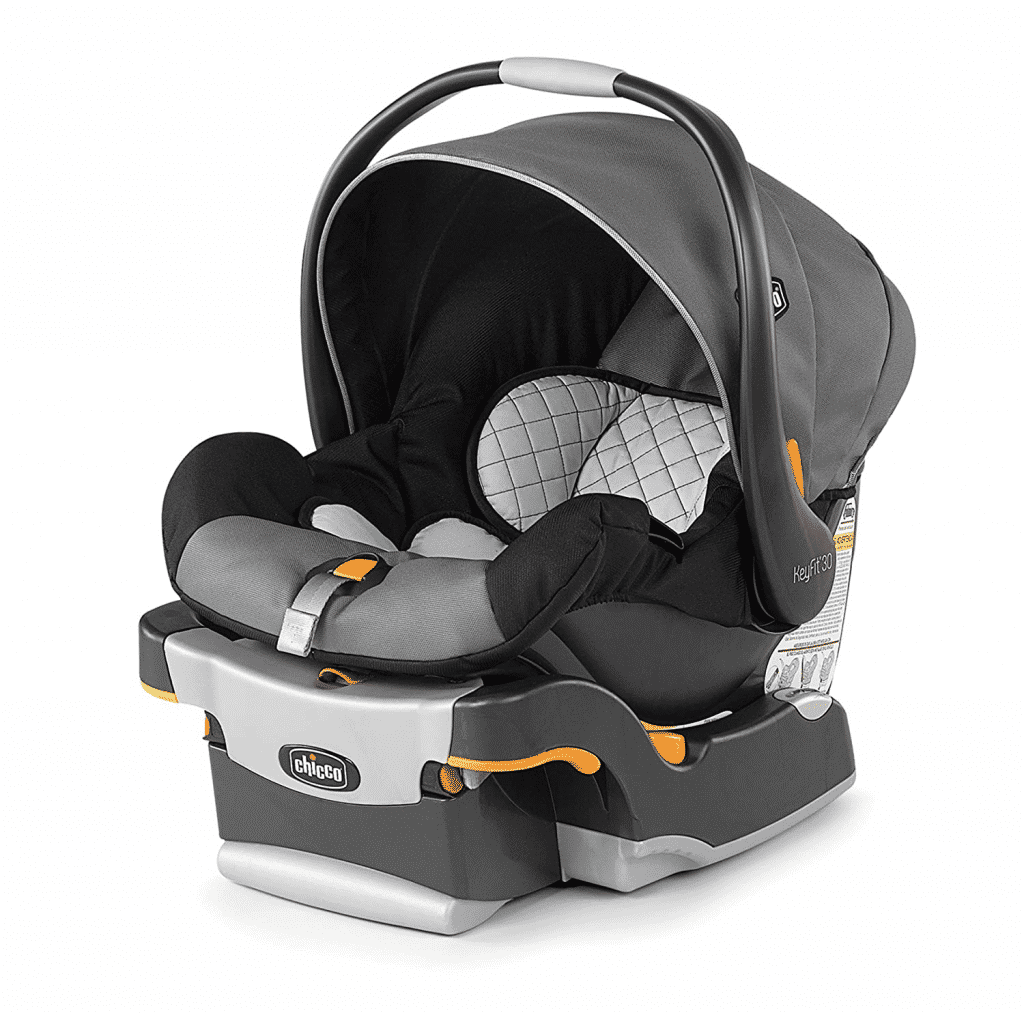
Sleep, feeding, and car seats show up again and again as the categories where viral advice does the most damage, according to the campaign’s own materials, a pattern the alliance links to how small deviations from the instructions in those areas carry outsized risk. A car seat tilted to a steeper angle than the manufacturer specifies can change how it protects a child in a crash. A bath seat marketed as a hands-free convenience is not a substitute for a parent staying within arm’s reach, something drowning statistics make painfully clear: more children ages 1 to 4 die from drowning in the United States than from any cause besides birth defects.
Secondhand and resale products add another layer of risk the campaign specifically calls out. A crib or car seat bought through an online marketplace can be missing a recall notice, missing parts, or simply out of date with current safety standards. Registering products directly with the manufacturer, even ones bought new, creates a way for a family to be notified if a recall happens later.
None of this means parents should stop looking for advice online. Plenty of truly useful tips travel the same channels as the risky ones. The distinction the Baby Safety Alliance is drawing isn’t between social media and no social media, it’s between a tip a parent tries on the strength of a convincing video and a tip a parent has actually checked against a source with no algorithm to feed.
How to Use the “Pause, Verify, Use Safely” Habit at Home
The three-step framework works best when it becomes automatic rather than something you only remember after a close call. Before trying anything you’ve seen trending, ask what the product’s actual instructions say and whether the hack changes that. If a video shows a baby product being used in a way that looks even slightly different from how you set it up at home, that’s the moment to pause, not after you’ve already tried it.
For verification, keep a short mental list of sources you trust: your pediatrician, your child’s car seat technician if you have one, and a handful of organizations that don’t sell products themselves, like the CDC or the AAP. Checking a product for an active recall takes less than a minute at cpsc.gov and costs nothing, which makes it one of the easiest habits to build into a normal shopping routine, whether the item is new or secondhand.
A child’s age changes the calculation here too. What counts as a reasonable adaptation for an older toddler in a booster seat looks completely different from what’s safe for a newborn in a bassinet. A viral tip that worked fine for someone else’s 3-year-old can be dangerous for an infant, and the campaign’s advice to verify with a professional exists partly to catch that kind of mismatch before it becomes a problem.
If you’re ever unsure whether a product recall applies to something already in your home, don’t wait for a symptom or a close call to check. CPSC.gov lets you search by product name or brand in seconds, and manufacturers are required to offer a remedy, a refund, repair, or replacement, once a recall is issued.
Common Viral Trends Worth a Second Look
A few categories of viral advice come up often enough that it helps to know them by name. Sleep “hacks” that promise a longer stretch of uninterrupted rest, like propping a mattress at an angle or adding padding around a crib, run directly against safe sleep guidance from the AAP, which recommends a flat, firm sleep surface with nothing else in the crib. A tip that sounds like it solves a real problem, a baby who wakes frequently, can introduce a suffocation risk that outweighs any benefit.
Feeding trends move just as fast. A method for introducing solids earlier than a pediatrician would normally recommend, or a homemade formula recipe shared as a cost-saving alternative, can look reasonable in a 60-second video and still miss a nutritional or safety detail that took years of research to establish. The same goes for teething remedies. Products and home recipes marketed for sore gums have been recalled in the past for containing ingredients that aren’t safe for infants in any amount.
Car seat “hacks” tend to be the riskiest category: the margin for error is so small. A seat installed at a different angle, secured with an aftermarket accessory not tested by the manufacturer, or used past its expiration date on the assumption that “it still looks fine,” can all quietly reduce the protection a seat is built to provide in a crash. None of these problems are visible day to day, which is exactly why they spread. Nothing bad happens the first hundred times, so the risk feels theoretical until it isn’t.
The Bigger Shift This Campaign Points To
What makes this campaign notable isn’t the safety tips themselves, most parents have heard some version of “never leave baby unattended in the bath” before. It’s the acknowledgment that today’s parents are working through an information environment no earlier generation dealt with, one where a stranger’s video can look just as authoritative as a pediatrician’s advice.
Building a habit of pausing before trying something new isn’t about distrusting other parents online. It’s about giving yourself one extra beat to ask where the advice actually came from, before your baby is the one testing it out.
Most parents sharing tips online mean well. A trend spreads for a simple reason: it worked for someone’s family, or looked clever on camera. Almost nobody sets out to put a baby at risk on purpose. That’s exactly why the habit counts for more than the individual hack. You won’t always be able to tell from a video which tip is actually fine and which one skips a detail that would change your mind, so building the pause into your routine protects you even on the days you don’t have time to research every claim carefully. Treat it the way you’d treat a second opinion on anything else that affects your child’s safety: quick, low effort, and worth the extra minute.